UNICEF says 347 million children face El Niño drought and flood risk
UNICEF reports more than 347 million children in nearly 100 countries could face unusually wet or dry conditions from October to December 2026 as El Niño strengthens.
Key facts
- UNICEF data estimates more than 347 million children in nearly 100 countries and territories could experience unusually wet or dry conditions between October and December 2026 because of El Niño.
- In September, the Niño 3.4 index, a measure of tropical Pacific sea-surface temperatures, surpassed readings from every previous El Niño event, including 1997 and 2015, according to UN News.
- Papua New Guinea's government declared the event in June, established a task force and approved a $112 million supplementary budget; about 1.2 million people are estimated to need direct food relief.
- The 2026-2027 El Niño is forecast to become one of the strongest on record; in Papua New Guinea, the largest agriculture and food security impacts are expected from November.
- UNICEF data reported by UN News says 1.1 billion children, nearly half of the world's children, are already exposed to at least three overlapping climate-related hazards.
More than 347 million children in nearly 100 countries and territories are expected to experience unusually wet or dry conditions between October and December 2026 because of El Niño, according to UNICEF data reported by UN News. The agency said the conditions increase the risk of extreme floods and droughts. The 2026-2027 El Niño is forecast to become one of the strongest on record, UN News reported.
In September, the Niño 3.4 index, a measure of sea-surface temperatures in the tropical Pacific used to track El Niño, surpassed readings recorded during every previous El Niño event, including 1997 and 2015, according to UN News. El Niño conditions have been present since mid-2026 and are forecast to peak between October and December. UN News reported that some climate watchers have dubbed the pattern a "Super El Niño".
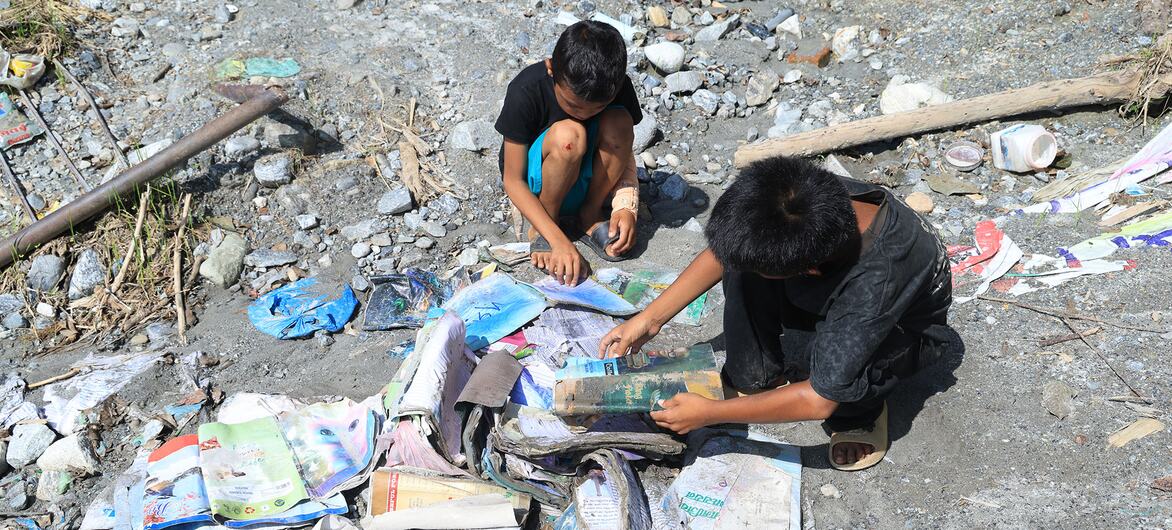
In Papua New Guinea, water sources are drying up, crops are failing and food prices are rising months before the worst agricultural impacts are expected, UN News reported. The government declared the event in June, established a dedicated task force and approved a $112 million supplementary budget. About 1.2 million people are estimated to require direct food relief, with water shortages, crop losses, dwindling food reserves and higher prices already reported. The largest impacts on agriculture and food security there are expected from November.
"For children, El Niño is far more than a weather pattern. It can mean increased displacement, malnutrition, water shortages and disease outbreaks," UNICEF Executive Director Catherine Russell said. "Children are also at risk of schools closing, while families could experience added financial hardship."
Across the Greater Horn of Africa, wetter-than-normal conditions could raise the risk of river and flash flooding, increase the spread of waterborne diseases and disrupt schooling, according to UN News. UN News also reported that children living amid conflict and displacement in the wider region, including Yemen, Sudan and Afghanistan, face particularly acute risks.
UN News reported that 1.1 billion children, nearly half of the world's children, are already exposed to at least three overlapping climate-related hazards such as drought, extreme heat or floods. In Papua New Guinea, schools are being disrupted, with concerns reported over health, nutrition and bushfires.
Context
El Niño is a climate pattern tracked using the Niño 3.4 index, which measures sea-surface temperatures in the tropical Pacific. According to UN News, it can shift rainfall patterns thousands of kilometres from the tropical Pacific, leaving some regions with drought and water shortages while others get heavier rains, flooding and heightened disease risks.
How outlets headlined it
How this was made
Compiled by our AI newsroom from 1 independent outlets, checked by a separate AI editor against the sources. Only claims found in the sources are reported. Spot an error? Every source is linked below.
Factual additions, source corrections, and primary references welcome. Strict zero-troll and zero-spin policy.
No notes yet. Be the first to provide factual context.
Reader Discussion & Community Notes
0 Contributions