Study suggests gut microbes followed migrating humans across continents
A study in the journal Nature reports a near-90% overlap in gut bacteria between Tanzania's Hadza and Bolivia's Tsimane, suggesting the microbes may predate their ancestors' split.
Key facts
- A new study in the journal Nature suggests gut microbes may have followed migrating humans across continents.
- Researchers found around 1,200 of the same bacterial species in Hadza and Tsimane guts, a near-90% overlap.
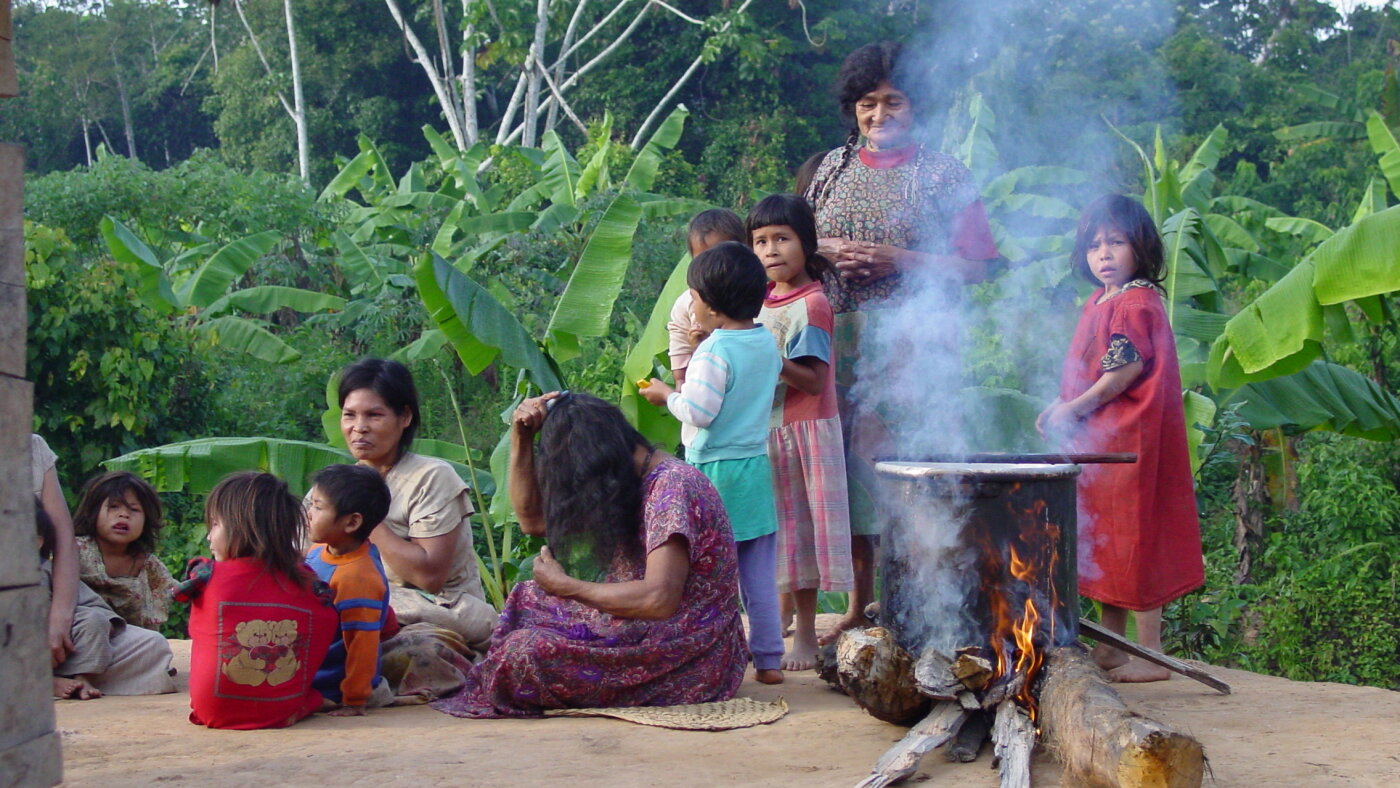
- The Hadza are hunter-gatherers in northern Tanzania; the Tsimane forage, fish and hunt in the Bolivian Amazon, some 7,000 miles away.
- Both groups' gut microbiomes were markedly different from those of city dwellers, even those living nearby.
- Princeton evolutionary biologist Andrew Moeller, not affiliated with the study, said the hypothesis is intriguing but not yet proven.
Two rural communities separated by an ocean share many of the same gut bacteria, according to a new study. The paper, in the journal Nature, suggests this microbial kinship may have taken shape long ago, before human migration split the groups' ancestors apart, NPR reported. The study relied on stool samples from both groups. The Hadza are hunter-gatherers who have roamed northern Tanzania for thousands of years; the Tsimane forage, fish and hunt in the Bolivian Amazon, some 7,000 miles away.
Researchers found around 1,200 of the same bacterial species in the two groups, a near-90% overlap, NPR reported. The comparison used genetic material in stool samples from dozens of individuals collected by the Tsimane Health and Life History Project, alongside previous analysis from the Hadza community. Justin Sonnenburg, a professor of microbiology and immunology at Stanford University and the study's senior author, said the major overlap was "startling."
The study also showed that the microbiome — the mix of bacteria living in the gut — was markedly different in both groups than in city dwellers, even those living nearby, NPR reported. Sonnenburg said: "If we were inhabited by very similar microbes over a long period of time, it suggests that our human genomes may have come to expect a certain set of microbes and functions." He said that when biodiversity in the gut is lost, there may be big issues for human biology to adjust to and accommodate.
Andrew Moeller, an associate professor of evolutionary biology at Princeton University who was not affiliated with the paper, said the hypothesis is intriguing but not yet proven. He said another possibility is that the industrialized microbiome profile may actually be adapted to an industrialized lifestyle. "From a health perspective, is it good or deleterious that industrialized humans have lost a lot of ancestral microbial taxa [groups]? We actually don't know," Moeller said.
Sonnenburg has previously contrasted the microbiomes of the Hadza with those of industrialized people, according to NPR. He said the Hadza live a lifestyle much more similar to the one human ancestors lived. He said that lifestyle is more hospitable to microbes handed down through many generations over the course of human evolution.
Context
Researchers compare groups like the Hadza and Tsimane because, as Sonnenburg said, they live lifestyles much more similar to those of human ancestors. Moeller said documenting which microbes have been kept and lost is a step towards figuring out whether losing them is good or bad for health.
How outlets headlined it
How this was made
Compiled by our AI newsroom from 1 independent outlets, checked by a separate AI editor against the sources. Only claims found in the sources are reported. Spot an error? Every source is linked below.
Open reader debate: Factual contributions and additions are synchronized directly in real time across all readers.
Loading contributions from cloud server…
Reader Discussion & Community Notes