Solar power expands in emerging economies, often cheaper than fossil electricity
Middle-income economies are outpacing richer ones in solar power, DW reports, as solar is often cheaper than fossil electricity.
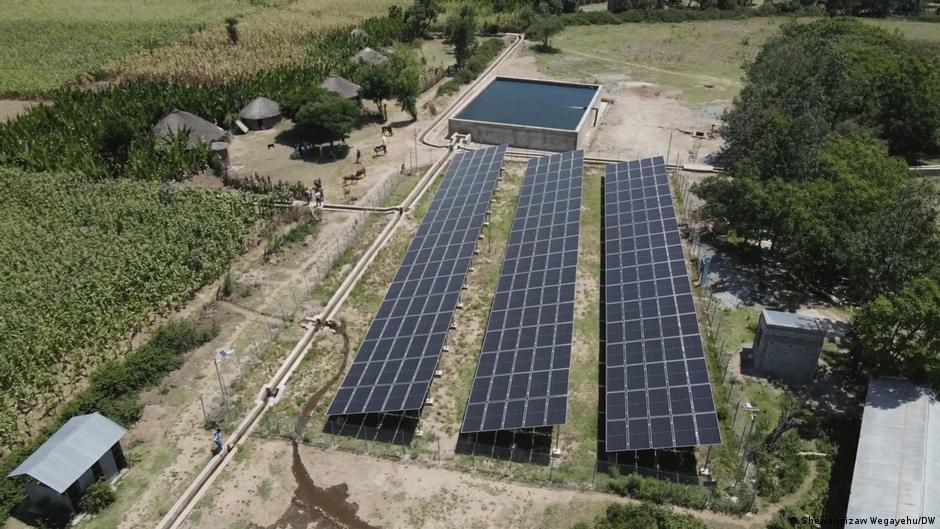
Key facts
- Solar is now cheaper to produce than fossil electricity in many instances, according to DW.
- In 2023, renewables generated around a quarter of global electricity, DW reported.
- Solar made up at least 6% of electricity in India and 10% in Vietnam in 2023; the global average was 5%.
- An Ember analysis found refrigerators, electric stoves and air conditioners have become much cheaper in recent decades.
- A UN study found electric scooters and motorbikes cost the same as petrol models in India, Indonesia and Vietnam.
Solar power is now cheaper to produce than fossil electricity in many instances, according to DW. Unlike large coal or gas plants, which take years to build and need millions in investment, solar and wind farms can be built quickly and with much less upfront cost, DW reported.
Middle- and lower-income countries have an advantage because they have less existing energy infrastructure built around fossil fuels, DW reported. Lower-income countries already use less fossil fuel and more renewables than higher-income ones, according to DW. Kingsmill Bond, energy strategist at think tank Ember, said: 'We're seeing a leapfrog take place right across the emerging markets.' He said the whole of Asia is electrifying quickly, while Europe and the United States are stagnant.
In 2023, around a quarter of global electricity was generated by renewables, DW reported. Almost all new capacity added is based on solar or wind power, according to DW. Solar alone made up at least 6% of electricity in India and 10% in Vietnam in 2023, against a global average of 5%.
An analysis by renewables think tank Ember found that devices such as refrigerators, electric stoves and air conditioners have become much cheaper in recent decades, making electricity more affordable for cooking and heating. A UN study found electric scooters and motorbikes already cost the same as petrol models in India, Indonesia and Vietnam, and cost much less to fuel.
Vietnam already uses more electric energy than the US, Europe and China, and India is following the same path, according to DW. DW reported that the potential for 'energy leapfrogging' — skipping fossil-fuel infrastructure and moving straight to renewables — may be particularly high in low-income countries, most of them in Sub-Saharan Africa. Kenya, Ethiopia and Namibia are expanding energy infrastructure rapidly to meet the demands of a growing, young population, but rural areas in many countries are not connected to electricity grids.
Context
When the US and Europe industrialised in the 19th and 20th centuries, they relied on fossil fuels, DW reported. Existing equipment such as gas boilers and diesel trucks cannot run on renewable power, so richer countries are held back by legacy infrastructure, according to DW.
How outlets headlined it
How this was made
Compiled by our AI newsroom from 1 independent outlets, checked by a separate AI editor against the sources. Only claims found in the sources are reported. Spot an error? Every source is linked below.
Factual additions, source corrections, and primary references welcome. Strict zero-troll and zero-spin policy.
No notes yet. Be the first to provide factual context.
Reader Discussion & Community Notes
0 Contributions