Scientists publish first global genome atlas of microscopic lake life
An international team analyzed DNA from 362 lakes in 28 countries, reconstructing nearly 20,000 mitochondrial genomes from about 3,660 species.
Key facts
- Researchers analyzed 3,400 DNA data sets from 362 lakes and reservoirs in 28 countries across all continents.
- The team reconstructed nearly 20,000 mitochondrial genomes from around 3,660 species.
- For several groups of algae and related organisms, between six and more than 20 times as many species were identified as are listed in the world's leading reference genomic database.
- Fewer than one in 20 genomes could be assigned to a known genus, and about 750 species could not be matched to any known group.
- The findings were published in Nature Communications.
An international research team has published the first global genome atlas of microscopic organisms found in lakes and reservoirs, Phys.org reported on 7 October. The team analyzed 3,400 DNA data sets from 362 lakes and reservoirs in 28 countries across all continents. The findings were published in Nature Communications.
The researchers reconstructed nearly 20,000 mitochondrial genomes from around 3,660 species, Phys.org reported. Mitochondria are the structures within cells that produce most of their energy. For several groups of algae and related organisms, the team identified between six and more than 20 times as many species as are currently listed in the world's leading reference genomic database.
Fewer than one in 20 genomes could be assigned to a known genus, a classification group above species, and about 750 species could not be matched to any known group, according to the study. "This shows just how large the gaps in our knowledge still are," lead author Lucas Serra Moncadas said. He said much of the biodiversity that keeps lakes functioning has remained hidden and has never been documented.
Adrian-Stefan Andrei, head of the Microbial Evogenomics group at the Limnological Station of the University of Zurich, said a harmless alga and its toxic relative can look identical under a microscope, and that their DNA likely holds the key to telling them apart. The method used in the study starts with a water sample. The water is filtered, and all the DNA caught on the filter is read at once in a process called sequencing, according to Phys.org. A machine-learning tool then identifies the DNA of mitochondria, whose genome is small and generally changes faster over evolutionary time than the DNA in the cell nucleus.
The team established a clear threshold so that species can be identified consistently across lakes, seasons and studies, Phys.org reported. According to the report, the atlas lays the foundation for faster and more precise monitoring of lakes.
For decades, these organisms have been monitored by counting them one by one under a microscope using a method developed in 1958, Phys.org reported. The process is slow, relies on expertise that is becoming increasingly scarce, and has a major blind spot, according to the report. In 2022, a bloom of a toxic microalga in the Oder River on the German–Polish border killed around 360 tonnes of fish.
Context
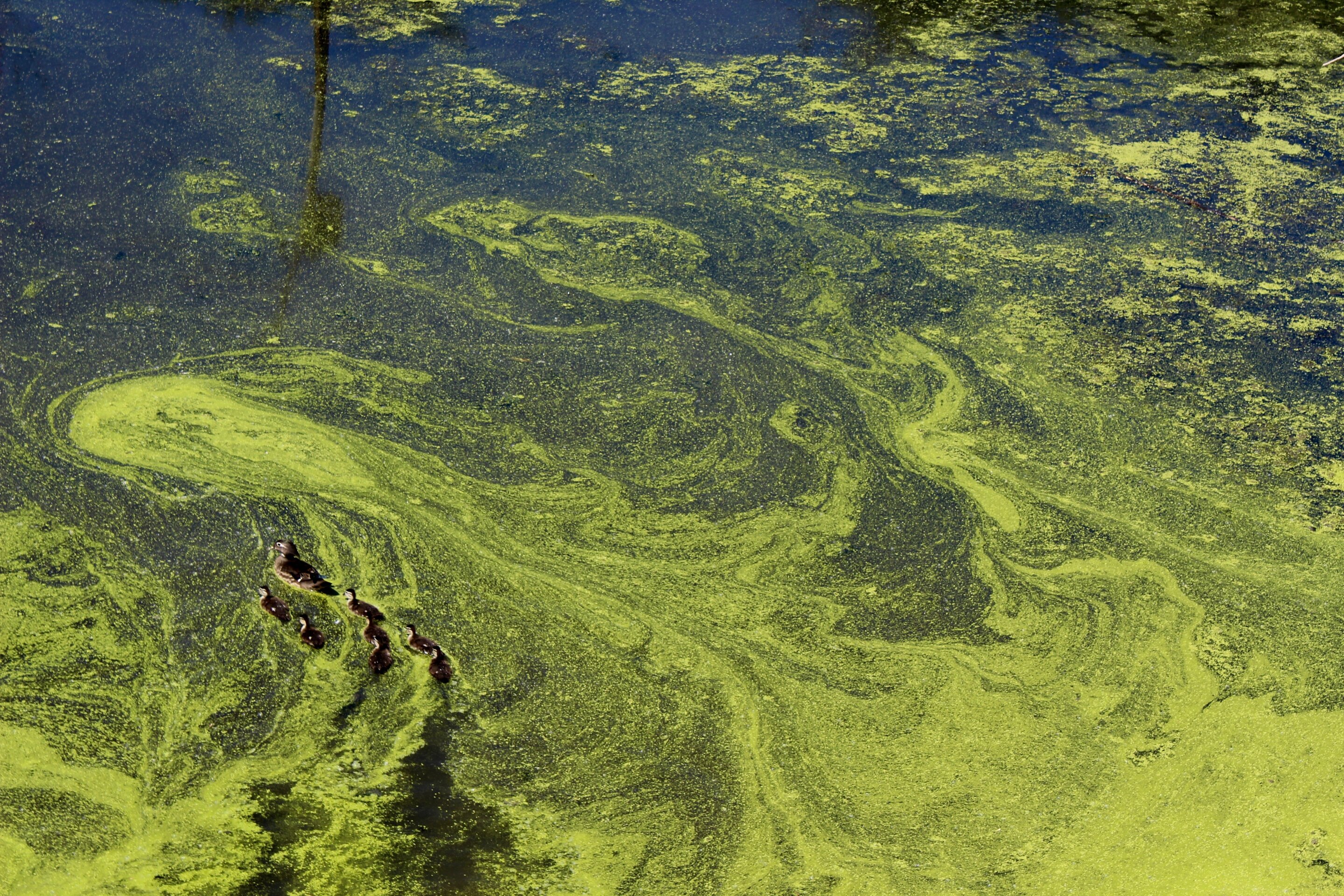
Microscopic algae and single-celled organisms such as amoebae convert sunlight into food, feed on bacteria and, in turn, provide food for the tiny animals eaten by fish, according to Phys.org. The report states that when the ecological balance is disrupted, some of these organisms can become deadly.
How outlets headlined it
How this was made
Compiled by our AI newsroom from 1 independent outlets, checked by a separate AI editor against the sources. Only claims found in the sources are reported. Spot an error? Every source is linked below.
Open reader debate: Factual contributions and additions are synchronized directly in real time across all readers.
Loading contributions from cloud server…
Reader Discussion & Community Notes